Bohemian Chic: Mix and Match with Confidence
Discover how minimalist design principles can transform your living space a serene sanctuary.

In our modern world of mass production and instant gratification, there’s something profoundly satisfying about creating objects by hand. Each ceramic piece tells a story—of the artisan who shaped it, the techniques passed down through generations, and the natural materials that give it life.
The history of ceramics stretches back over 20,000 years, with some of the earliest known pottery discovered in China. Ancient civilizations across the globe—from the Greeks and Romans to the indigenous peoples of the Americas—developed sophisticated ceramic techniques that we still study and admire today.
What’s remarkable is how little the fundamental process has changed. We still begin with clay from the earth, shape it by hand or wheel, let it dry slowly, and transform it with fire. Modern potters may use electric kilns instead of wood-fired ones, but the core techniques remain the same.
Creating a ceramic vase is a journey that requires patience, skill, and respect for the material. Here’s how our artisans transform raw clay into the beautiful pieces you see in our collection:
We source our clay from sustainable quarries, ensuring it’s free from impurities. The clay is then wedged—a process similar to kneading bread—to remove air bubbles and create a uniform consistency. This crucial step prevents cracking during firing.
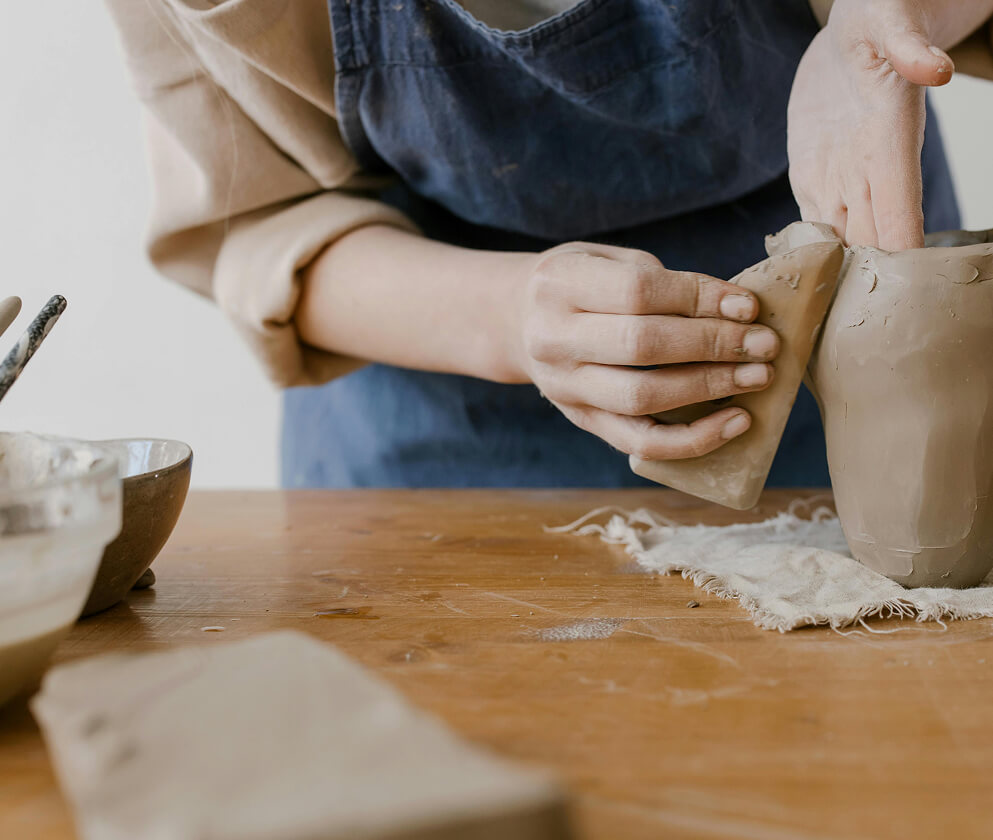
Our master potters center the clay on a spinning wheel and use their hands to shape it. This requires years of practice to master—the pressure must be just right, the movements fluid and confident. Each vase takes about 20-30 minutes to throw, depending on its size and complexity.
The shaped piece is left to dry slowly for 5-7 days until it reaches a “leather-hard” state. At this stage, the potter trims the base, refines the shape, and adds any final details. Patience is key—rushing this process can cause warping or cracking.
The completely dry piece undergoes its first firing at around 1,800°F (980°C). This transforms the clay into a porous ceramic material that’s ready for glazing. The kiln firing takes about 8-12 hours, plus cooling time.
Our signature matte glaze is carefully applied by hand. We use food-safe, lead-free glazes made from natural minerals. The glaze looks quite different before firing—the beautiful final color only appears after the second firing.
The glazed piece is fired again at a higher temperature (around 2,200°F or 1,200°C). This melts the glaze, creating a glassy, water-tight surface. After another slow cooling period, the vase is finally complete—ready to bring beauty to your home.
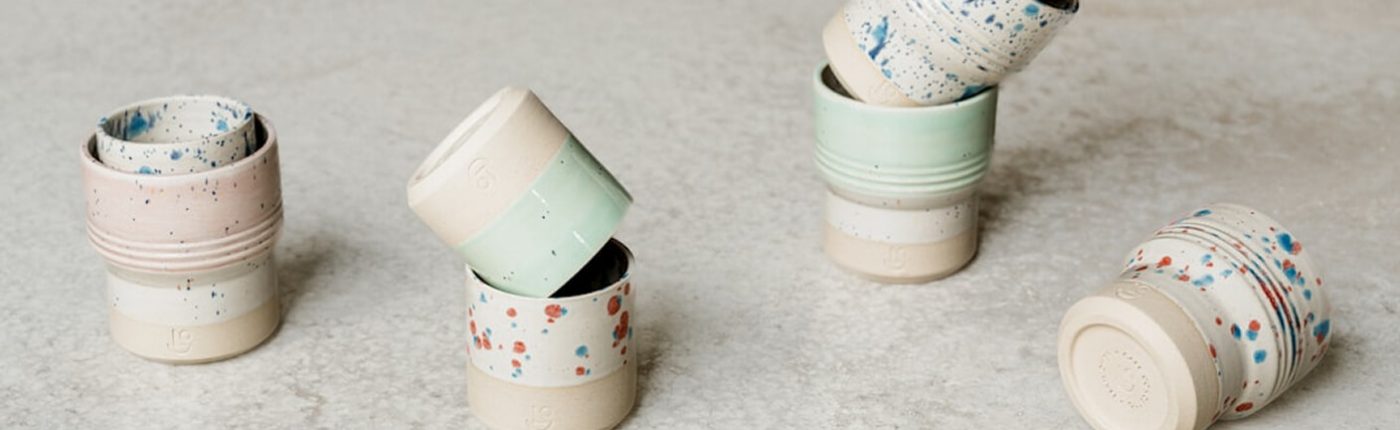
In an age of mass production, you might wonder why handmade ceramics are worth the investment. The answer lies in quality, sustainability, and soul. Mass-produced ceramics are made quickly in factories, often with compromises in materials and durability. Handmade pieces, on the other hand, are crafted with care, using high-quality materials and time-tested techniques. They’re built to last for generations, not just seasons. There’s also something intangible about handmade objects—call it character, soul, or simply the touch of human hands. When you hold a handcrafted vase, you can feel the difference. The slight variations in shape, the unique glaze patterns, the weight and balance—these are the marks of authentic craftsmanship.
The next time you pick up a handcrafted ceramic vase, take a moment to appreciate the journey it’s been on. From earth to fire, from the potter’s hands to your home, each piece carries with it the weight of tradition, the mark of skill, and the promise of beauty that endures. At xstore, we’re proud to work with artisans who honor these traditions while creating pieces for modern living. Each vase in our collection represents not just an object, but a story—one we’re honored to share with you.